
What is an On-Grid Solar Panel System?
An on-grid solar panel system (also called a grid-tied or grid-connected solar system) is a setup where photovoltaic (PV) panels generate DC electricity from sunlight, which is converted by an inverter into AC electricity and fed into your home load.
Excess power is exported to the utility grid through a bi-directional meter, and when your solar generation is insufficient (e.g., during night or heavy clouds) you draw power from the grid.
Excess power is exported to the utility grid through a bi-directional meter, and when your solar generation is insufficient (e.g., during night or heavy clouds) you draw power from the grid.
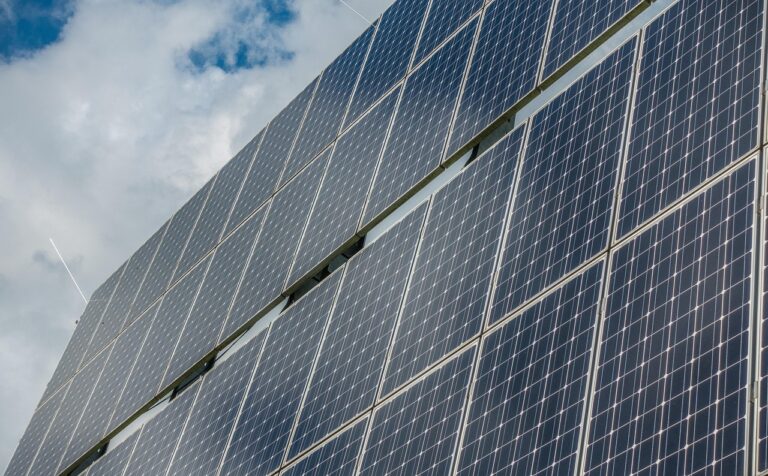
Components Used in On-grid System
Here are the main components of a standard on-grid solar panel system:
• Solar PV Panels
• On-Grid Inverter
• Solar Mounting Structure
• DC-AC Combiner Box & Protection
• Bi-directional Net Meter
• Wiring, Earthing, Wiring Accessories
• Real-time Monitoring System
• Solar PV Panels
• On-Grid Inverter
• Solar Mounting Structure
• DC-AC Combiner Box & Protection
• Bi-directional Net Meter
• Wiring, Earthing, Wiring Accessories
• Real-time Monitoring System
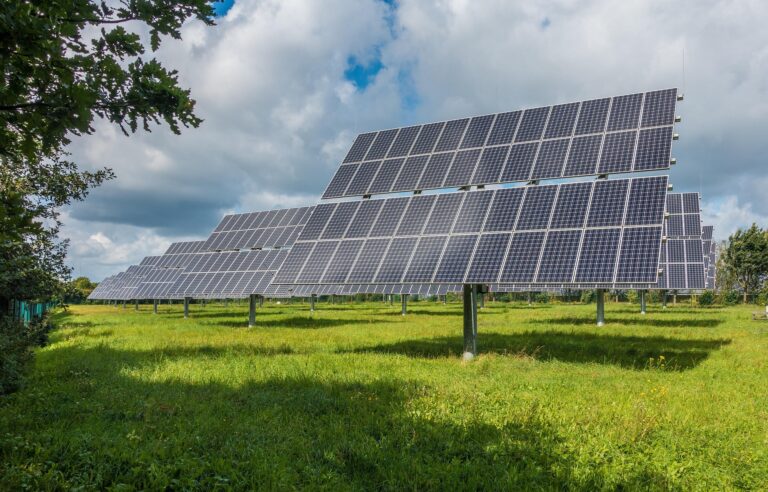
Advantages & Disadvantages of On-grid System
Advantages:
• Lower upfront cost because no battery is required.
• High return on investment due to net-metering and export of surplus units.
• Low maintenance (just panels + inverter + monitoring).
• Simple design, fast commissioning for homes and businesses.
• Environmentally friendly: generates clean solar electricity and reduces utility dependency.
Disadvantages:
• Dependence on grid being available: in case of grid outages, most standard on-grid systems halt output. If state net-metering policies are weak or incentivised poorly, savings may be lower.
• Rooftop space constraints or heavy shading can reduce generation.
• System performance degrades over years, though good panels keep that minimal (~<4% per year).
• Requires utility approvals and paperwork for net-metering, added lead time.
• Lower upfront cost because no battery is required.
• High return on investment due to net-metering and export of surplus units.
• Low maintenance (just panels + inverter + monitoring).
• Simple design, fast commissioning for homes and businesses.
• Environmentally friendly: generates clean solar electricity and reduces utility dependency.
Disadvantages:
• Dependence on grid being available: in case of grid outages, most standard on-grid systems halt output. If state net-metering policies are weak or incentivised poorly, savings may be lower.
• Rooftop space constraints or heavy shading can reduce generation.
• System performance degrades over years, though good panels keep that minimal (~<4% per year).
• Requires utility approvals and paperwork for net-metering, added lead time.
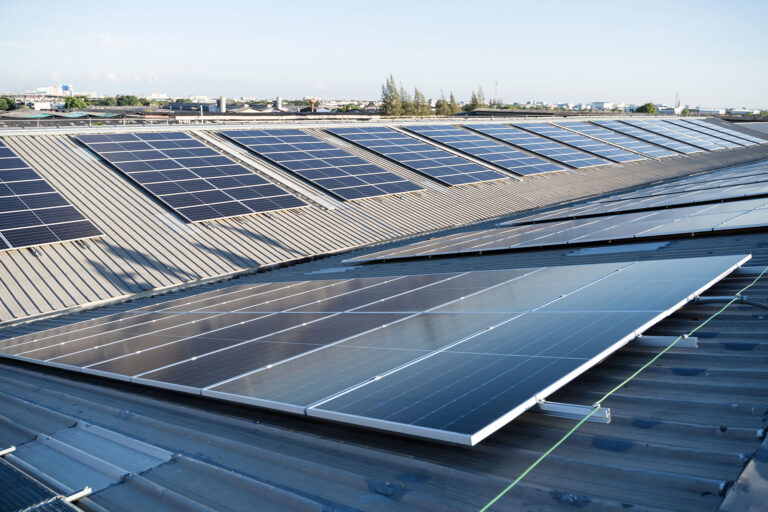
On-grid vs Off-grid System, Which is better?
On-Grid System connects to the grid, exports surplus; typically the lowest cost per kW. Best for homes and offices with reliable grid supply and day-life load.
Off-Grid System does not tie to the grid; includes batteries; higher cost but gives independence from utility. Additional battery replacement costs every 5–10 years; shorter lifespan of some components; ROI may be longer.
Which is better?
On-Grid is better for typical urban homes or societies in metro cities with stable grid, lower upfront cost, faster payback, simpler maintenance.
Off-Grid System does not tie to the grid; includes batteries; higher cost but gives independence from utility. Additional battery replacement costs every 5–10 years; shorter lifespan of some components; ROI may be longer.
Which is better?
On-Grid is better for typical urban homes or societies in metro cities with stable grid, lower upfront cost, faster payback, simpler maintenance.